

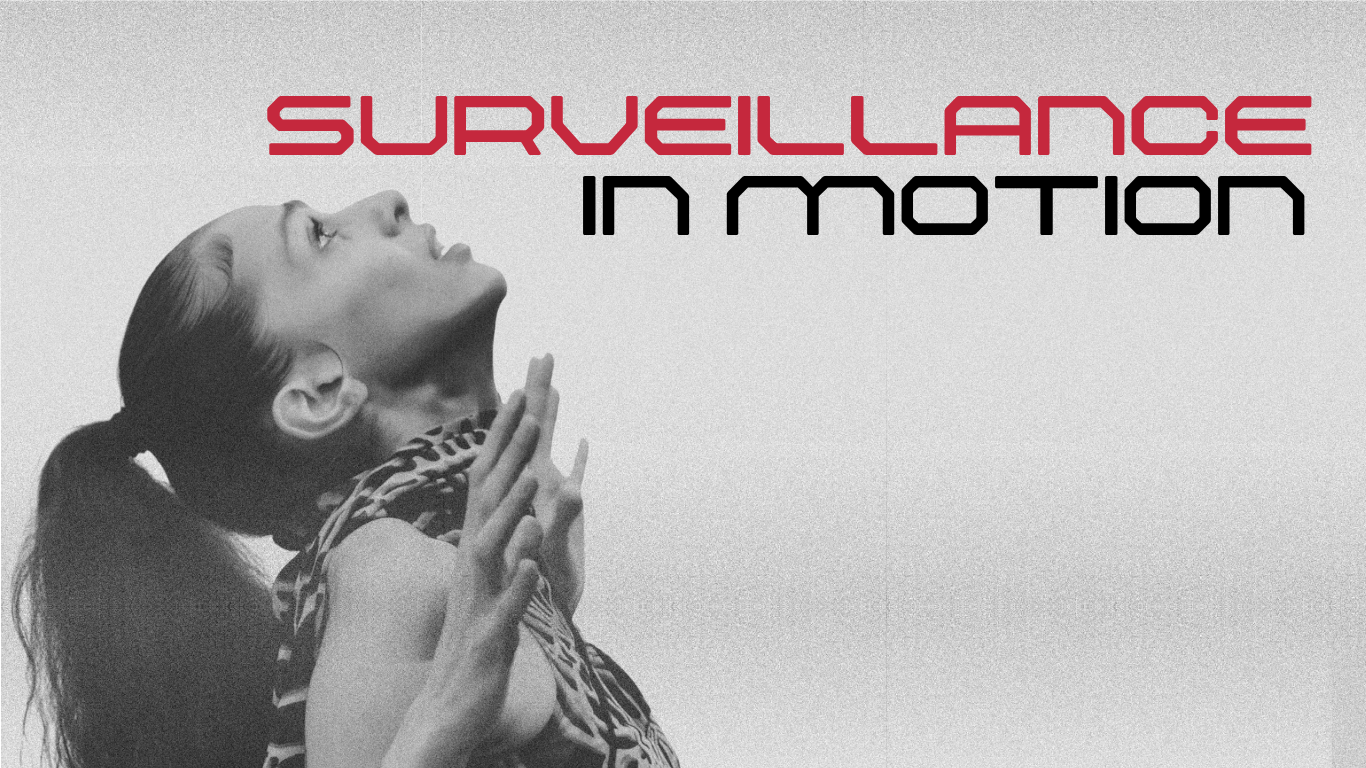
Surveillance in Motion is an interactive dance incubator that examines surveillance, consent, and digital presence. This project begins with an experimental incubator that takes place over 2 weeks and invites artists to create a 5 minute solo responding to one of six surveillance pillars: Security, Transparency, Documentation, Privacy, Stress, or Control. Their creation processes will take place under various forms of surveillance including live observation, video recording, online presence, biometric tracking, and/or wearable data collection, and will require participants to routinely share reflections on their feelings throughout the process. This project will culminate in a hybrid, in-person and live-streamed public performance followed by a Q&A in May 2026.
Artists will be awarded a $750 stipend and dedicated studio space to cultivate their solo creations. They will develop an original score in collaboration with a composer, shaped by their assigned pillar and their early conceptual investigations of surveillance.
Designed for New York City’s diverse artistic community and the general public, SiM integrates dance, technology, live streaming, and facilitated dialogue to examine how constant observation shapes artistic expression and personal agency. SiM addresses urgent questions surrounding technology, privacy, and authorship, inviting audiences into the creative process itself. ETD’s longstanding commitment to mentorship and community engagement ensures the project reaches both professional artists and underserved communities. This project is supported by DCLA/CDF funding, enabling ETD to provide a supported creative environment for research-driven, process-based work that sits at the intersection of dance, technology, and embodied data.
Join us Wednesday, May 27th at 7pm at CPR - Center for Performance Research
Performance will be followed by a Q&A (total run time ~1 hour)
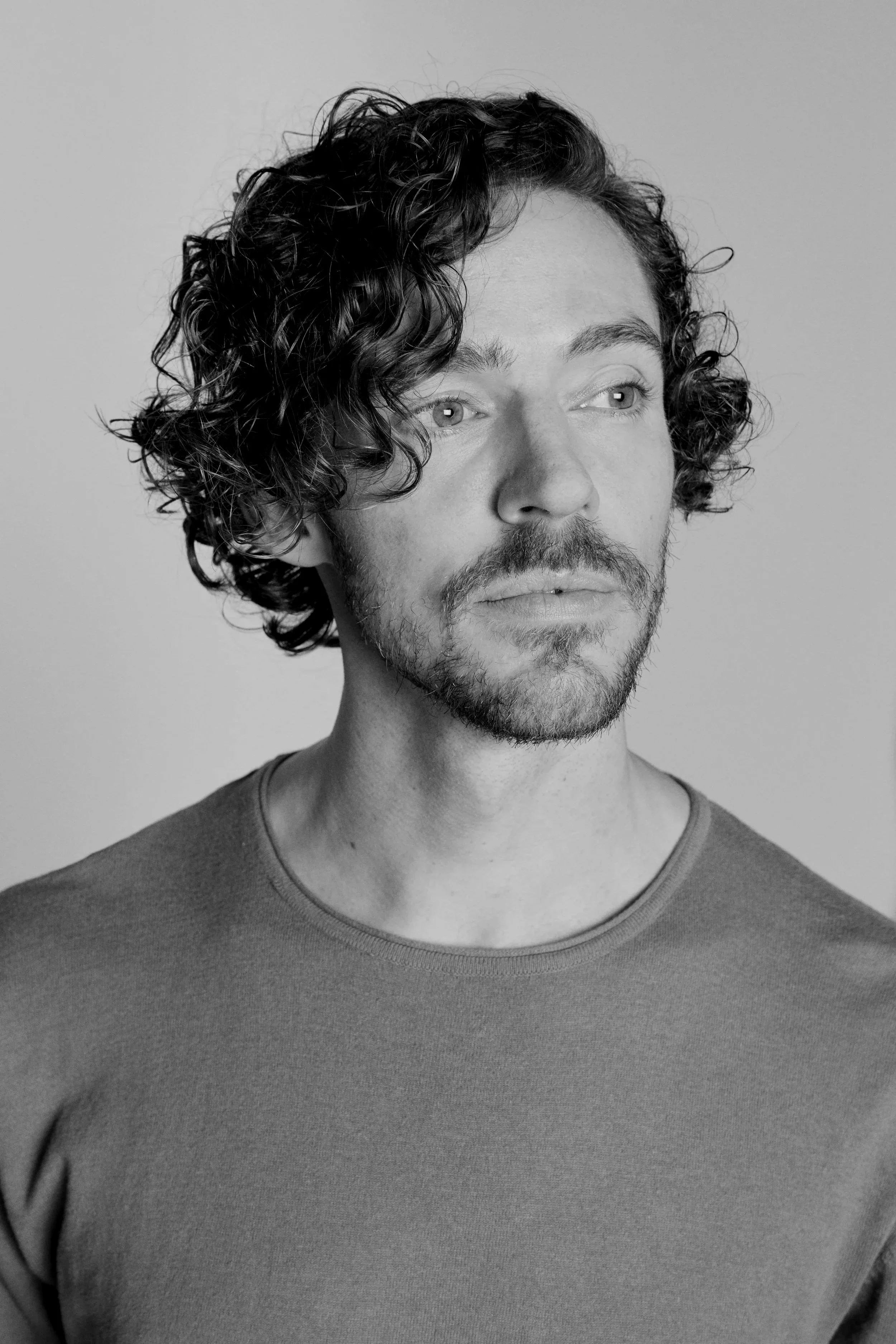
Lab Artist 01: Jonathan
Choreographer
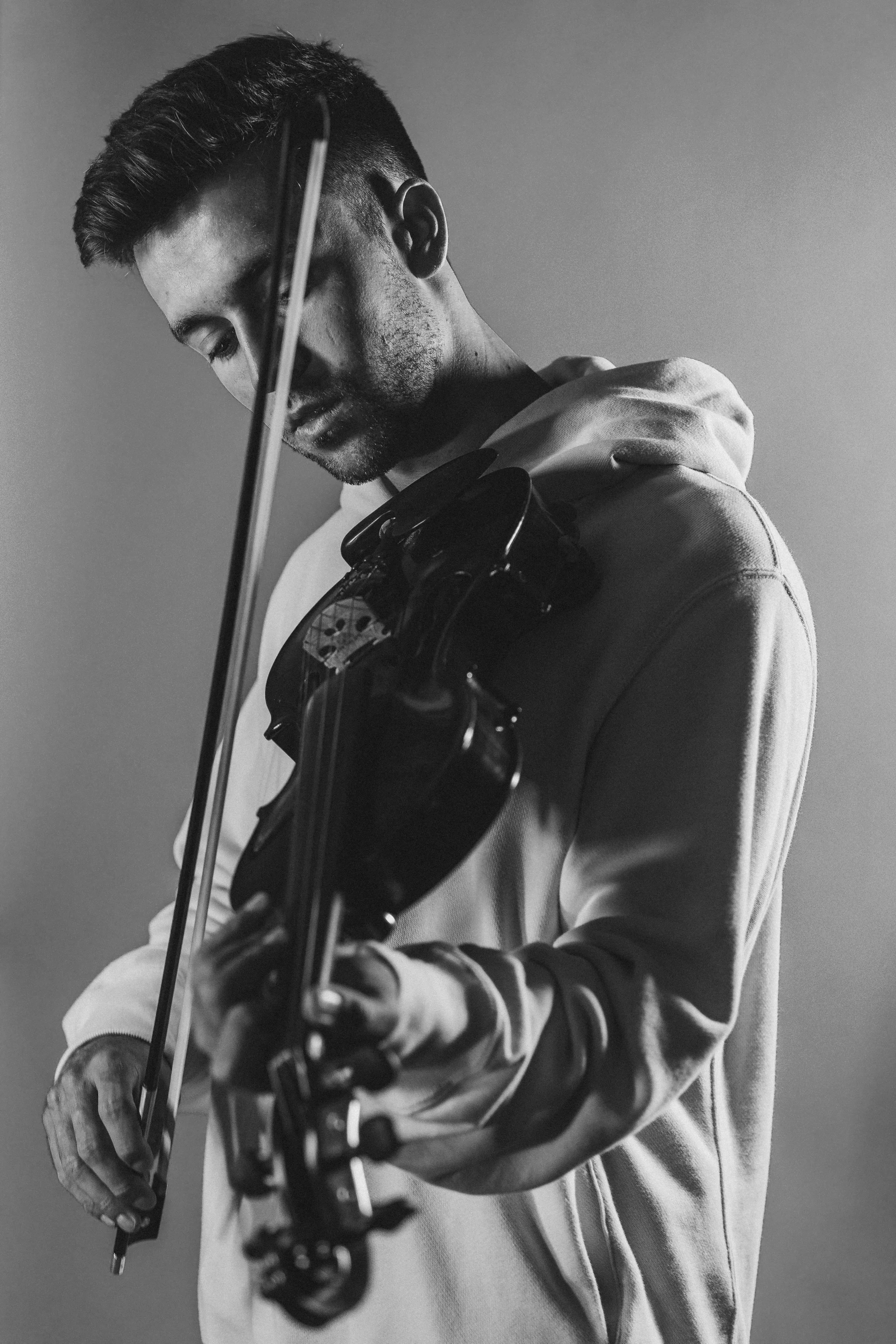
Lab Artist 01: Felix
Composer
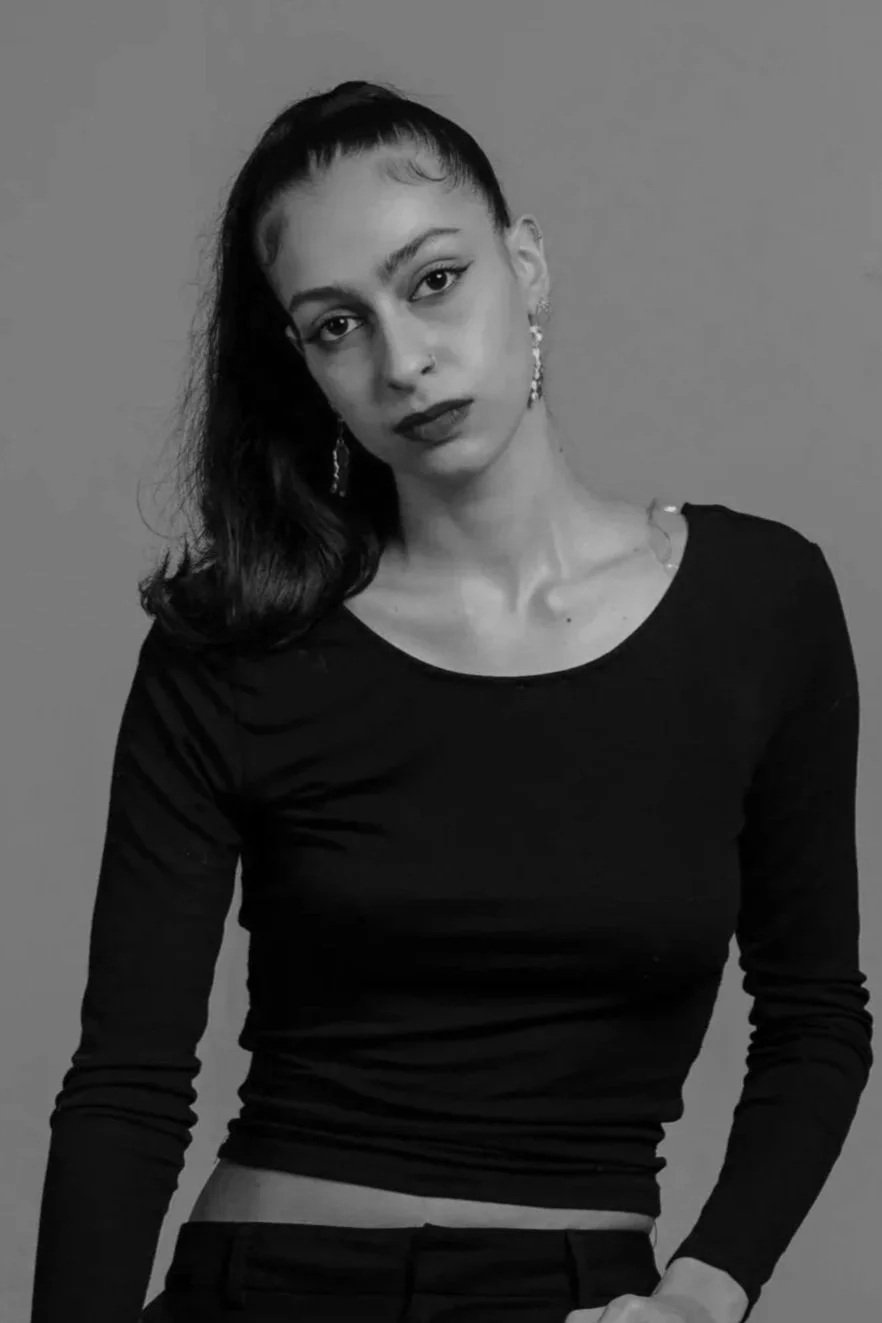
Lab Artist 02: Christina
Choreographer

Lab Artist 02: McKinley
Composer
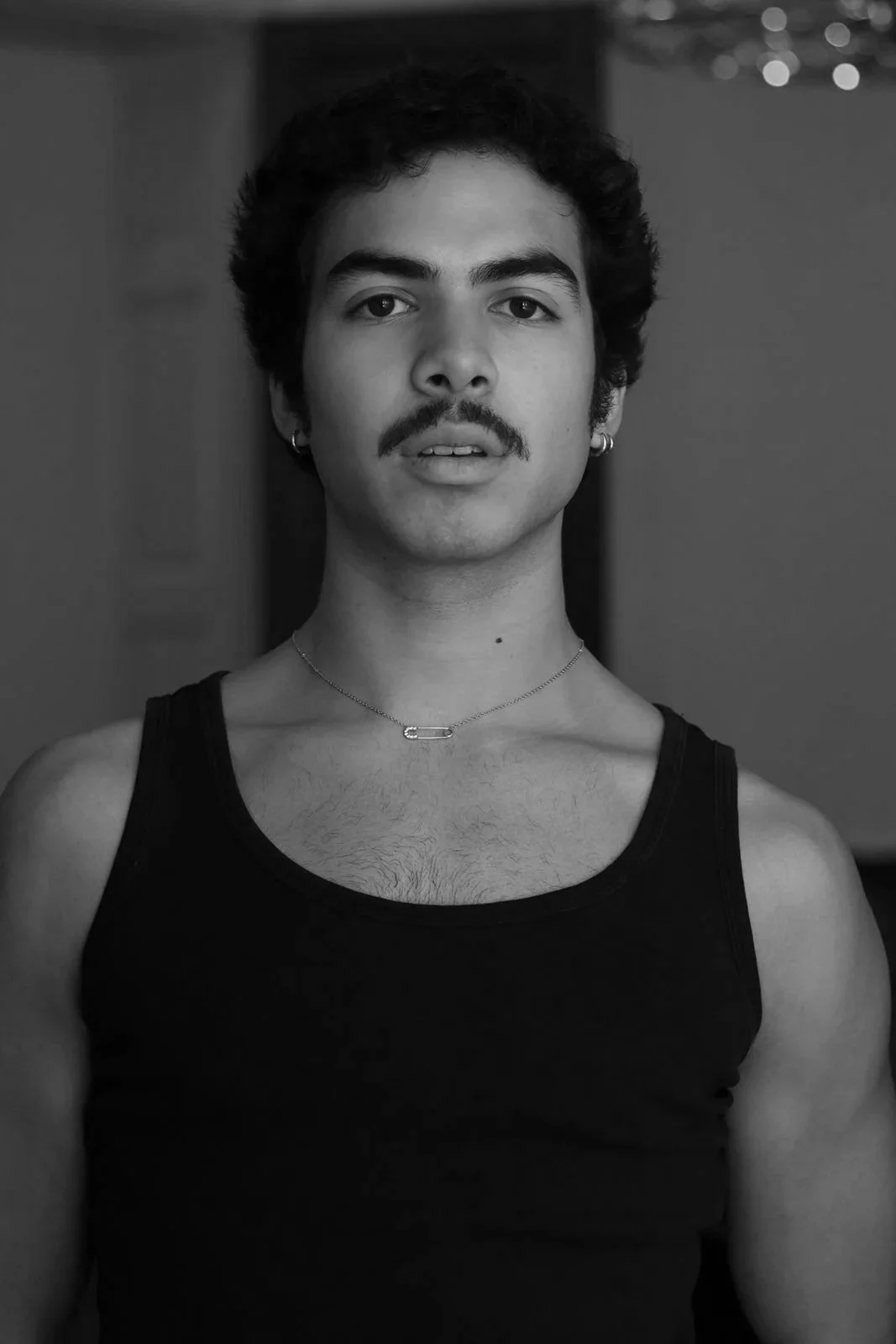
Lab Artist 03: Max
Choreographer
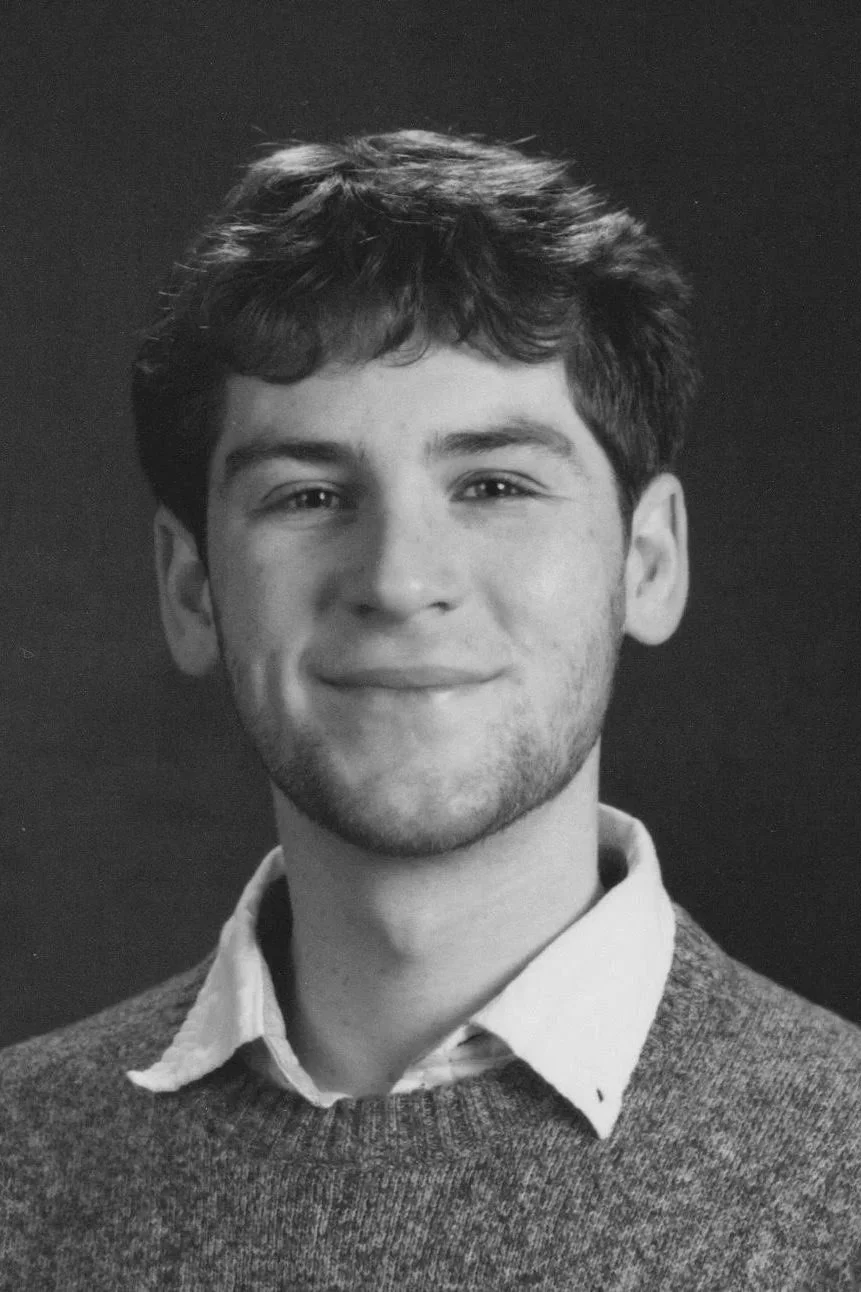
Lab Artist 03: Aiden
Composer
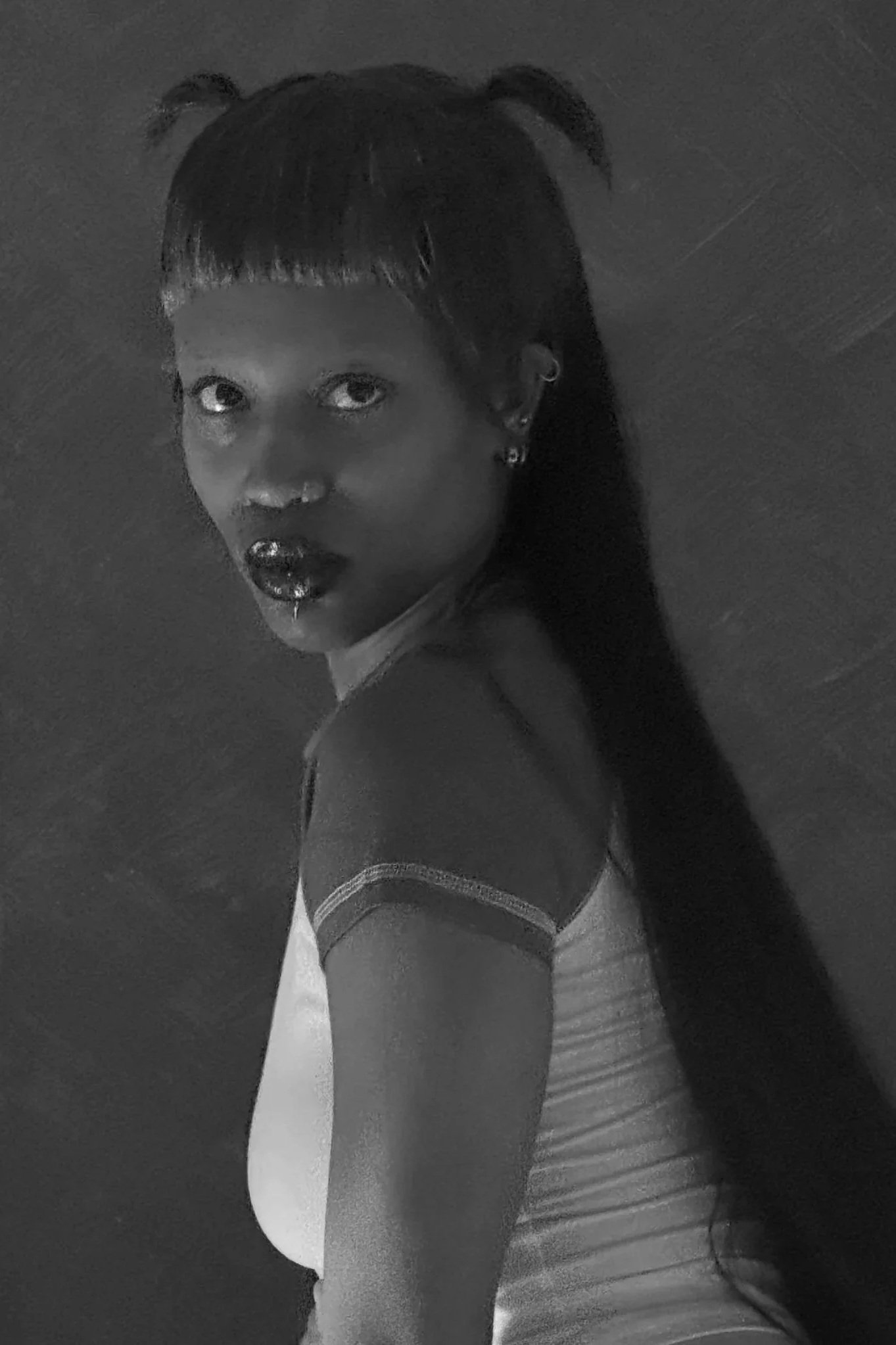
Lab Artist 04: Summer
Choreographer
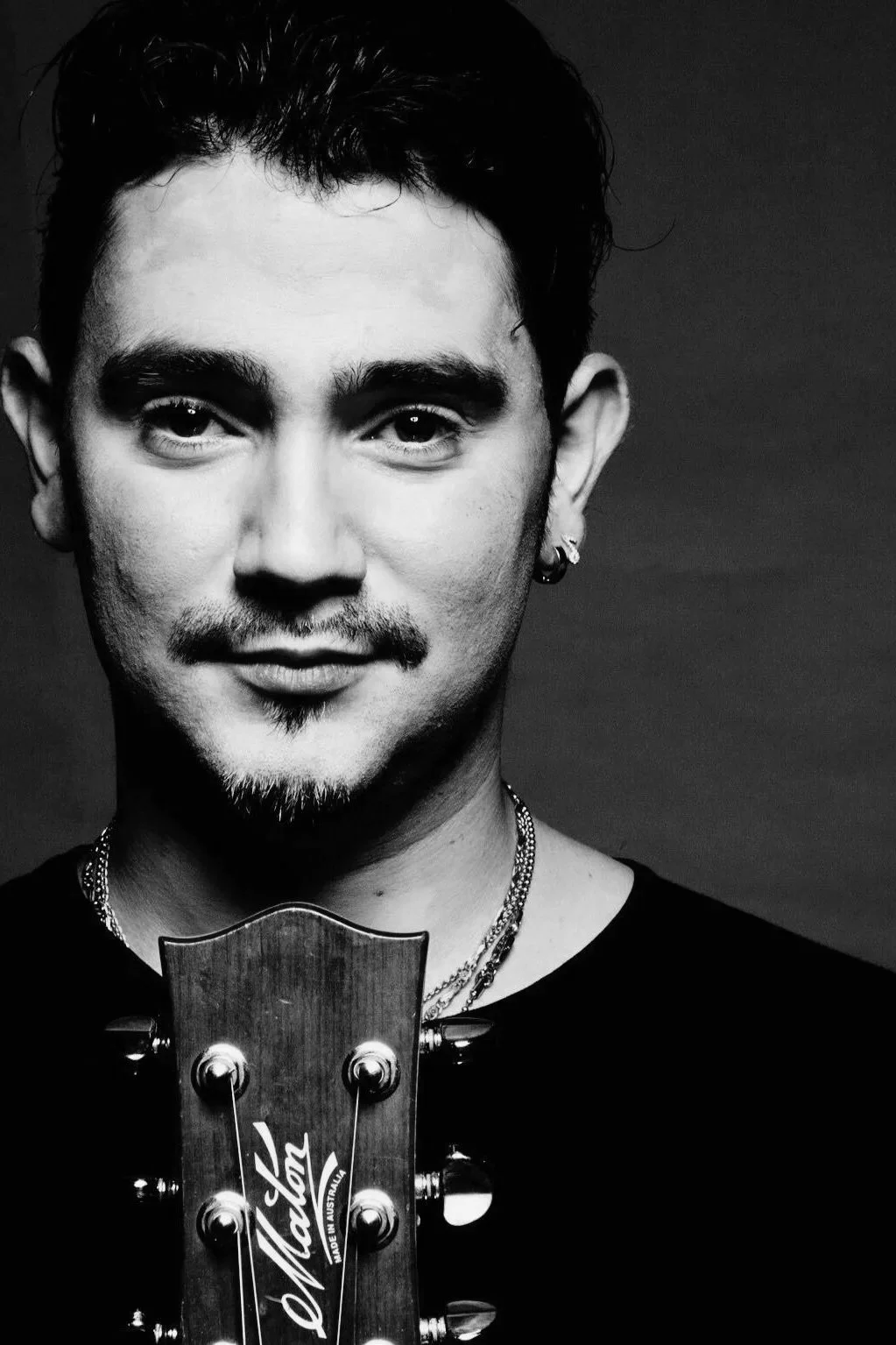
Lab Artist 04: Erik
Composer
Timeline:
March 30th: Applications Open
April 12th: Applications Close (11:59PM EST)
April 13-19th: Decisions Made & Applicants Notified
May 4-7th: Incubation & Development Week #1
May 8th or 9th: In Person Surveillance
May 11-14th: Incubation & Development Week #2
May 27: Eryc Taylor Dance: Surveillance in Motion @ CPR – Center for Performance Research 361 Manhattan Avenue Brooklyn, NY, 11211 (map)
Frequently Asked Questions:
What if I change my mind after applying?
That’s okay. Applying does not obligate you to participate. If selected, you will have time to review expectations and ask questions before committing.
What if I change my mind after the process has started?
You can step back, pause, or withdraw at any point. Consent in SIM is ongoing, not one-time. Your well-being matters more than completing the project.
What if I’m comfortable with some parts of surveillance but not others?
That’s expected. Our team is around to help provide support in these times of discomfort and facilitate the process whenever needed. All aspects of this project will be communicated ahead of time.
Will I be secretly recorded or tracked?
No. There is no covert surveillance in SIM. You will always know when observation, recording, or data collection is happening.
Who sees my data or documentation?
Access is limited to the SIM artistic/research team unless otherwise discussed. Any public sharing will be communicated in advance, and boundaries will be respected.
What if this process brings up emotional or psychological discomfort?
That’s not uncommon when working with themes of visibility and surveillance. You are encouraged to communicate openly. Investigating the emotions being surveilled brings up are the purpose of this project
Is SIM about judging or evaluating my work?
No. SIM is an incubator,.. The focus is research, inquiry, and process—not polish or perfection.
Who is this project for?
SiM is for artists who are curious about -
Being seen and observed
Data and embodiment
Power, consent, and exposure
How surveillance shapes movement and identity
You do not need prior experience with technology or data-based work.
Have any additional questions? Email ETD Administrative Director, Heather, at info@etd.nyc.

Eryc Taylor Dance and Surveillance in Motion is supported, in part, by public funds from the New York City Department of Cultural Affairs in partnership with the City Council.